
What Is Breathing Trouble in Newborns?
Breathing trouble in newborns means your baby is having a hard time getting enough air. This can look scary, but it is important to know what is normal and what is not. Most newborns breathe faster than adults. However, sometimes, their breathing can signal a problem. For example, if your baby is grunting, flaring their nostrils, or pulling in their chest with each breath, these may be signs of a newborn breathing emergency. Understanding these signs helps you act quickly if needed.
Common Causes of Breathing Trouble in Newborns
Many things can cause breathing trouble in newborns. Some are mild, while others need quick medical care. Here are some common causes:
Because newborns are delicate, even mild problems can become serious quickly. Therefore, knowing the causes helps you stay alert.
Warning Signs: When Is It an Emergency?
It is vital to spot the warning signs of respiratory distress in babies. If you notice any of these, seek help right away:
For example, if your baby is turning blue or stops breathing, call emergency services immediately. Quick action can save lives.
How Breathing Trouble Is Diagnosed
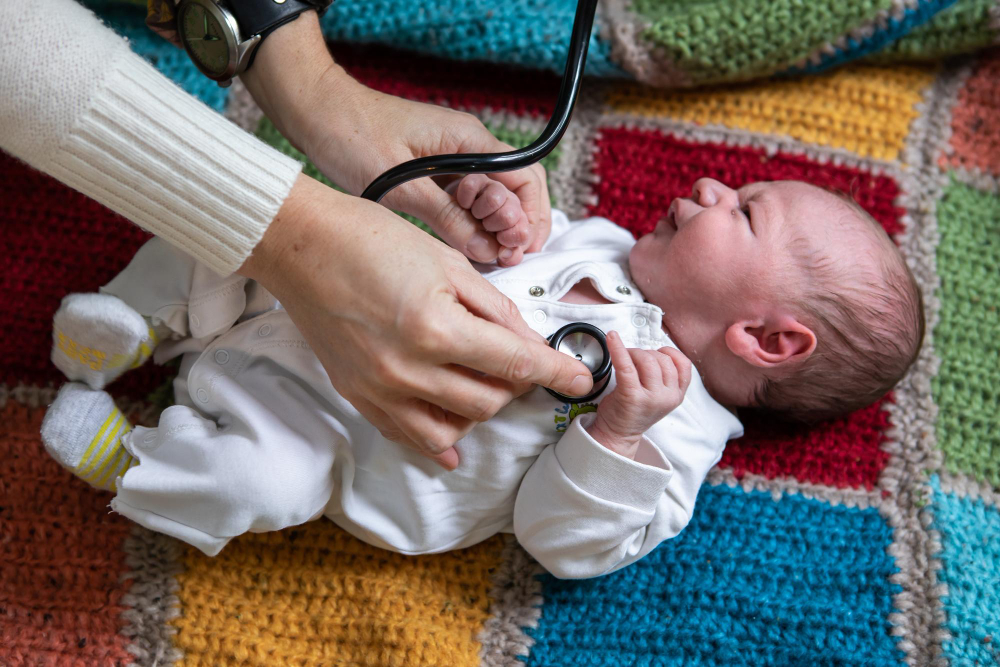
Doctors use several steps to find the cause of breathing trouble in newborns. First, they will check your baby’s breathing rate and listen to their chest. Next, they may use a pulse oximeter to measure oxygen levels. Sometimes, doctors order chest X-rays or blood tests. These tests help find infections, blockages, or other problems. Because newborns can get sick fast, doctors often act quickly to diagnose and treat the issue.
Emergency Treatments and What Parents Should Do
If your baby has a newborn breathing emergency, doctors may give oxygen or use special equipment to help them breathe. In some cases, babies need medicine or fluids through a vein. Sometimes, they may need to stay in a neonatal intensive care unit (NICU). While waiting for help, you can:
Remember, quick action is key during emergencies.
Prevention and Home Care Tips
Although not all breathing problems can be prevented, you can lower the risk. Here are some tips:
Additionally, watch for early signs of illness. Early care can prevent problems from getting worse.
When to Call a Doctor
Always trust your instincts. If you feel something is wrong, call your doctor. You should seek help if your baby:
Even if you are unsure, it is better to ask. Early help can make a big difference.
If your newborn shows any signs of breathing difficulty, do not delay seeking medical attention. Consult Dr. Neeraj Shaha for immediate evaluation and personalized pediatric care. Early intervention is crucial to ensure the safety and well-being of your child.