
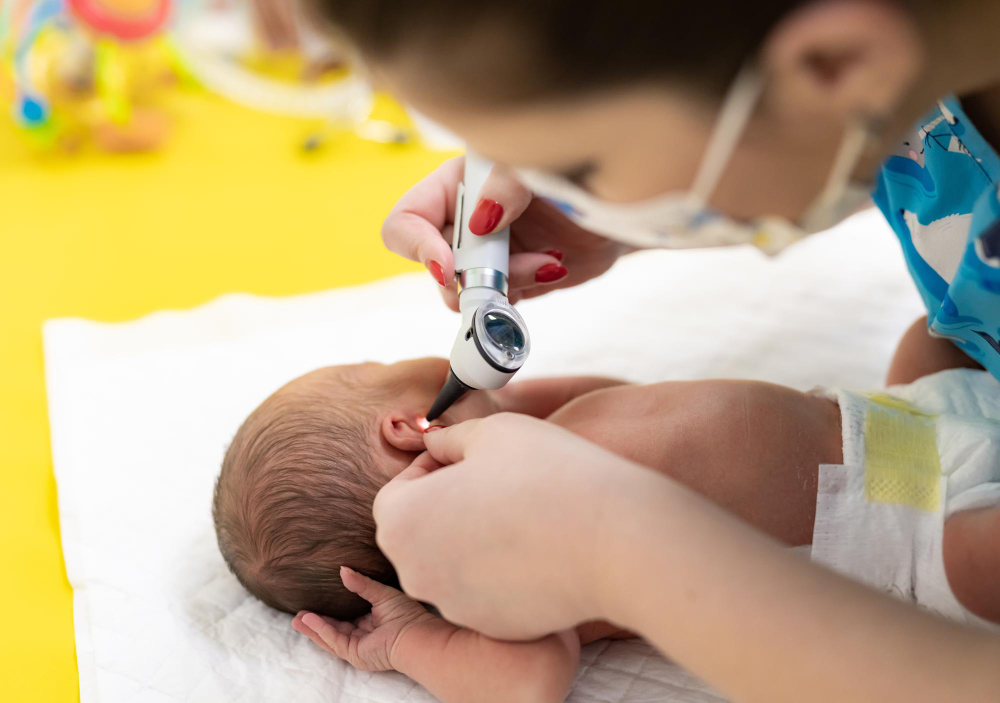
Why Monitoring Hearing in Children Matters
Hearing plays a big role in a child’s growth. It helps with learning, speaking, and making friends. Monitoring hearing in children is important because early signs of hearing loss in children can be easy to miss. If you notice problems early, you can help your child get the right support. According to the CDC, early treatment can improve speech and social skills. So, keeping an eye on your child’s hearing is key for their future.
Common Early Signs of Hearing Issues in Children
Sometimes, hearing problems are not obvious. However, there are signs you can watch for. Early signs of hearing loss in children may include:
For babies, you might notice they do not startle at loud noises. As children grow, they may not say as many words as others their age. If you see these signs, it is important to act early.
Causes and Risk Factors for Hearing Problems in Children
Many things can cause pediatric hearing problems. Some children are born with hearing loss. Others may develop it later. Common causes include:
Additionally, babies born early or with low birth weight have a higher risk. The World Health Organization notes that some illnesses, like measles or meningitis, can also lead to hearing loss.
How Parents and Caregivers Can Monitor Hearing at Home
Parents play a key role in spotting hearing issues. You can monitor your child’s hearing at home by:
For babies, clap your hands behind them and see if they turn. For older children, ask them to repeat simple words or follow directions. If you notice changes, keep a record to share with your doctor.
When and How to Seek Professional Diagnosis
If you see early signs of hearing loss in children, do not wait. Early action can make a big difference. Contact your child’s doctor or a hearing specialist. They may suggest a hearing test. These tests are safe and painless. In many places, newborns get a hearing check before leaving the hospital. However, hearing can change as children grow. So, regular checks are helpful, especially if your child has risk factors.
Available Treatment and Intervention Options
There are many ways to help children with hearing problems. Treatment depends on the cause and type of hearing loss. Options may include:
Early treatment helps children learn and communicate better. The CDC and WHO both stress the value of early support for the best results.
Tips for Prevention and Supporting Healthy Hearing
While not all hearing loss can be prevented, you can take steps to protect your child’s hearing. Here are some tips:
Additionally, talk to your doctor if you have concerns. Early action can prevent problems from getting worse.
Conclusion: Take Action for Your Child’s Hearing Health
In summary, monitoring hearing in children helps catch problems early. Watch for signs, know the risks, and act quickly if you notice changes. If you notice any signs of hearing issues in your child, consult a pediatric specialist Dr Neeraj Shaha, for personalized guidance.