
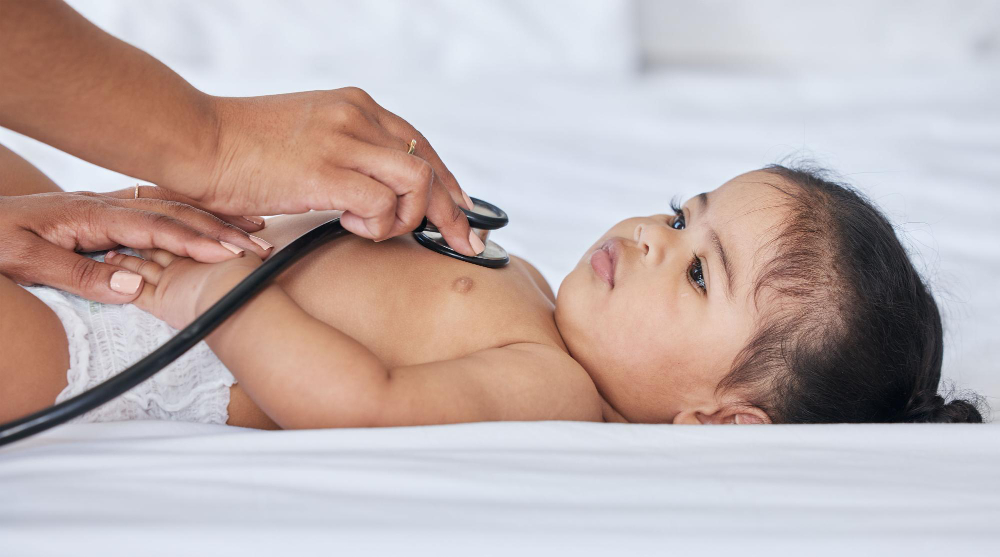
Introduction: Why a Newborn Exam Matters
After birth, your baby gets a special check-up called a newborn exam. This exam helps doctors spot any health issues early. As a parent, knowing what happens during a neonatal check-up can ease your worries. Early checks help your baby start life healthy and safe. In this guide, you will learn what doctors check in newborns and how you can prepare.
What Is a Newborn Exam?
A newborn exam is a full health check for your baby. Doctors usually do this within the first 24 hours after birth. Sometimes, they repeat the exam before you leave the hospital. The goal is to find any problems early. This way, your baby can get help right away if needed.
Key Areas Doctors Assess
During a newborn exam, doctors look at many parts of your baby’s health. Here are the main areas they check:
Appearance and Vital Signs
For example, if your baby looks blue or pale, doctors act quickly. They also check if your baby is alert and moving well.
Reflexes and Neurological Checks
These reflexes show that your baby’s brain and nerves are working as they should.
Heart and Lung Evaluation
If doctors hear anything unusual, they may order more tests. Early checks help catch heart or lung issues quickly.
Abdomen and Digestive System
Most babies have soft, normal bellies. However, if doctors find anything odd, they act fast.
Skin, Eyes, and Hearing
Early checks can prevent problems with vision or hearing later on.
Hips, Limbs, and Movement
Good movement shows your baby’s bones and muscles are healthy.
Common Screening Tests
Besides the physical exam, doctors do some standard tests. These help find hidden health issues. Here are common newborn screenings:
These tests are safe and quick. They help doctors find issues before symptoms appear.
What Parents Should Expect
During the newborn exam, your baby may cry or wiggle. This is normal. Doctors will:
Usually, the exam takes about 10 to 20 minutes. You can stay with your baby for comfort. If you have questions, ask the doctor during the check-up.
When to Seek Medical Advice
After the exam, watch your baby closely. If you notice any of these warning signs, call your doctor right away:
Quick action can help keep your baby safe and healthy.
Tips for New Parents
Taking care of a newborn can feel overwhelming. However, a few simple steps can help:
Remember, every baby is different. Your doctor is there to help you every step of the way.
Conclusion
A newborn exam is an important first step for your baby’s health. Now that you know what doctors check in newborns, you can feel more prepared. Ensure your newborn gets the best start in life. Consult Dr. Neeraj Shaha today for a comprehensive newborn exam, expert guidance on screenings, and personalized care to keep your baby healthy and safe. Schedule your appointment now to give your little one a confident, healthy beginning.