
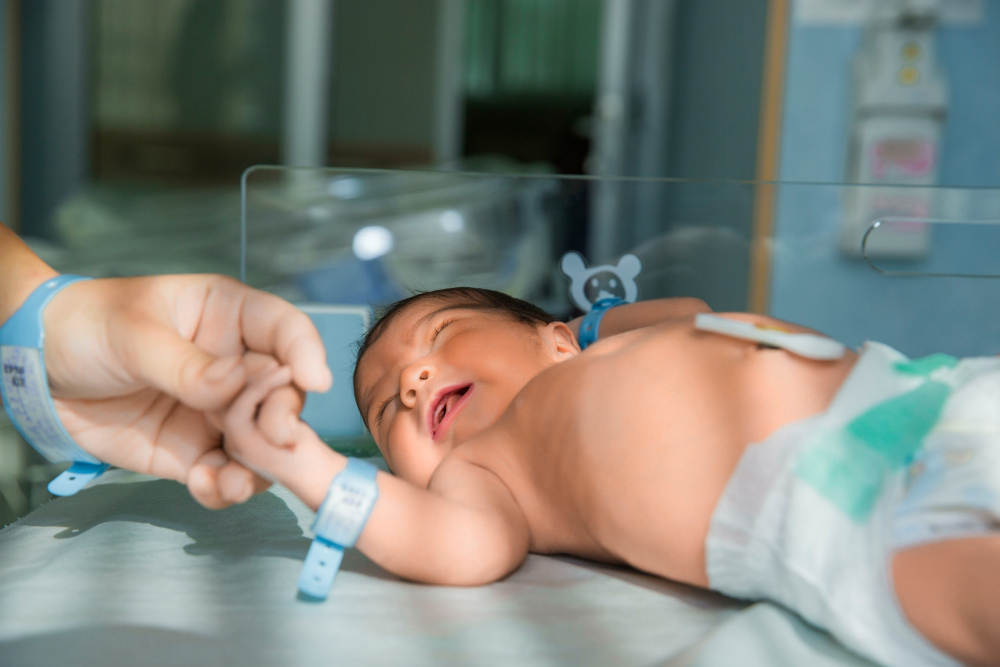
Introduction to Vision Care in Premature Babies
Vision care for premature babies is very important. Premature babies are born before 37 weeks of pregnancy. Because their eyes are not fully developed, they face a higher risk of vision problems. According to the World Health Organization, about 15 million babies are born early each year. Many of these infants need special eye care. Early attention can help protect eyesight in preemies and support healthy development.
Common Vision Problems in Premature Infants
Premature infant eye health can be affected by several conditions. The most common is retinopathy of prematurity (ROP). This happens when blood vessels in the eye grow abnormally. If not treated, ROP can lead to vision loss. Other issues may include:
Because these problems can develop quickly, regular eye checks are important.
Symptoms and Warning Signs to Watch For
Although some vision problems may not show early signs, parents should watch for warning signs. For example, you may notice:
If you see any of these signs, contact your doctor right away. Early action can make a big difference.
Diagnosis and Screening Procedures
Because early detection is key, doctors recommend regular eye exams for preemies. Usually, the first screening happens in the hospital. An eye doctor will use special tools to check the retina and other parts of the eye. Sometimes, more tests are needed as your baby grows. Regular follow-up visits help catch any changes early. According to the American Academy of Pediatrics, these checks are safe and painless.
Steps and Best Practices to Protect Eyesight
There are many ways to protect eyesight in preemies. In the hospital, nurses and doctors:
After going home, parents can help by:
Because small steps can make a big impact, always follow your doctor’s advice.
Treatment Options if Issues Are Detected
If a problem is found, there are several treatment options. For example, mild cases of ROP may only need close watching. In more serious cases, doctors may suggest:
Because each baby is unique, your doctor will choose the best treatment plan.
Prevention Strategies and Lifestyle Guidance for Parents
While not all vision problems can be prevented, parents can take steps to support eye health. For instance:
Because healthy habits start early, these steps can help your baby’s eyes grow strong.
When to Consult a Pediatric Ophthalmologist
If you notice any changes in your baby’s eyes or vision, consult a pediatric eye specialist right away. For example, if your baby misses follow-up visits or shows new symptoms, do not wait. Early care can prevent long-term problems. Pediatric ophthalmologists have special training to care for children’s eyes. They can guide you through every step of vision care for premature babies.
In summary, vision care for premature babies is vital for healthy growth. Because early action matters, always keep up with check-ups and follow your doctor’s advice. Consult a pediatric specialist Dr Neeraj Shaha for personalized guidance on your baby’s vision care.