Introduction
Children often face many health challenges as they grow. Among these, common childhood infections are a major concern for parents and caregivers. These infections can spread quickly, especially in schools or daycare centers. Because children’s immune systems are still developing, they are more likely to get sick. Therefore, knowing about these infections and how to prevent them is important for every family.
Common Childhood Infections
Many infections affect children, but some are more common than others. Below are the top childhood infections parents should know about:
Symptoms to Watch For
It is important to notice early signs of infection. Early treatment can help your child recover faster. Watch for these symptoms:
If your child has any of these symptoms, monitor them closely. Sometimes, symptoms can get worse quickly.
Causes and How Infections Spread
Most childhood infections are caused by viruses or bacteria. These germs spread in several ways. For example, children can catch infections by:
Because children play closely together, infections can spread quickly in groups. Good hygiene can help stop the spread.
Diagnosis and When to See a Doctor
Sometimes, mild infections get better on their own. However, you should see a doctor if your child:
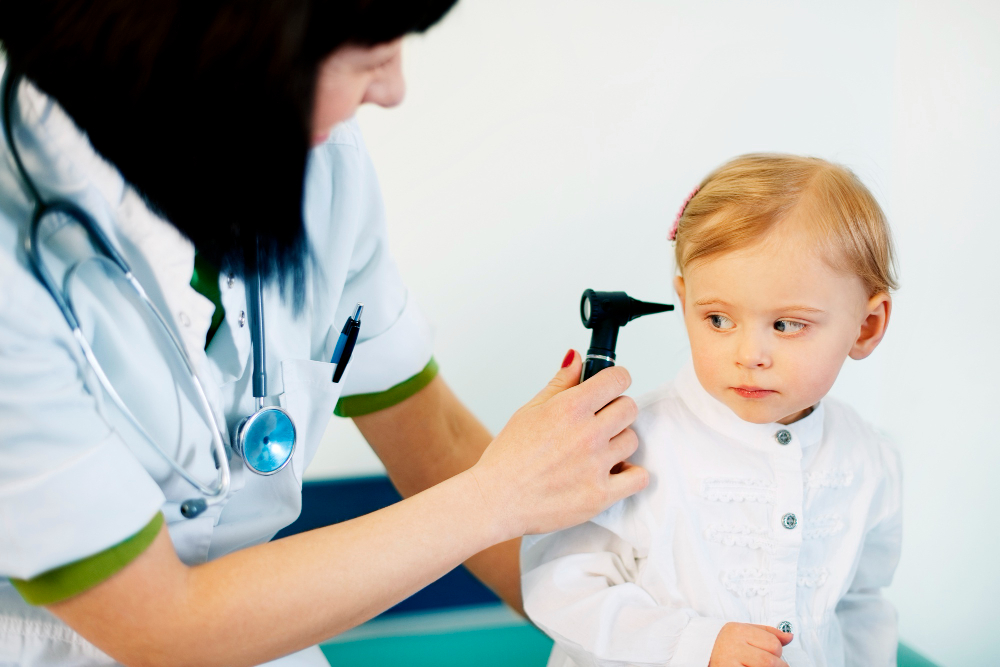
Doctors may do a physical exam or order tests to find the cause. Early diagnosis helps prevent serious problems.
Treatment Options
Treatment depends on the type of infection. For most viral infections, rest and fluids are best. However, some infections need medicine. For example:
Never give your child medicine without talking to a doctor first. Also, finish all prescribed medicine, even if your child feels better.
Prevention Tips
Preventing infections in children is possible with simple steps. Here are some tips:
These habits can lower the risk of spreading germs.
How to Keep Your Child Safe
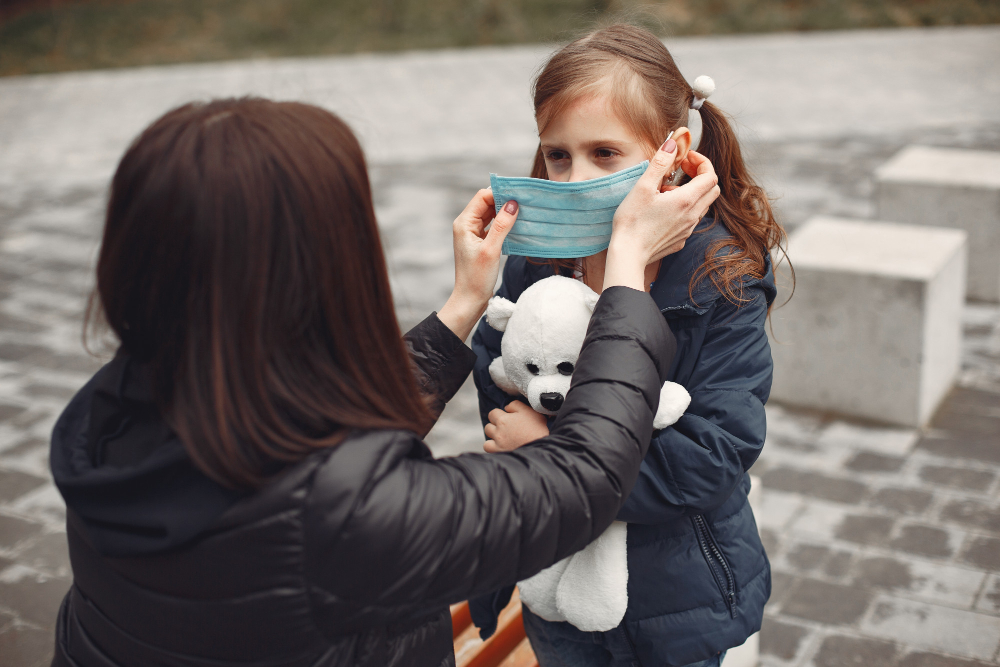
Keeping your child safe from infections takes daily effort. For example, you can:
With these steps, you can help your child stay healthy and happy.
Conclusion
In summary, common childhood infections are a normal part of growing up. However, knowing the symptoms and how infections spread can help you act quickly. Good hygiene, vaccines, and healthy habits are the best ways to protect your child. If you have any concerns, consult a pediatrician for personalized advice on protecting your child from infections.