Introduction
Hearing tests for children are important for healthy growth and learning. Early hearing detection can help spot problems before they affect speech or school. In many cases, child hearing screening is the first step to finding issues. Because hearing is key for language, it is vital to know when to test your child’s hearing. Local pediatric hearing services can support your family if you have concerns.
Signs Your Child May Need a Hearing Test
Sometimes, children show signs that they may have trouble hearing. If you notice any of these, consider a hearing test:
For example, if your child does not startle at loud noises, this could be a sign. Also, if your child’s teacher mentions trouble hearing in class, it is wise to seek help.
Recommended Ages and Situations for Hearing Tests
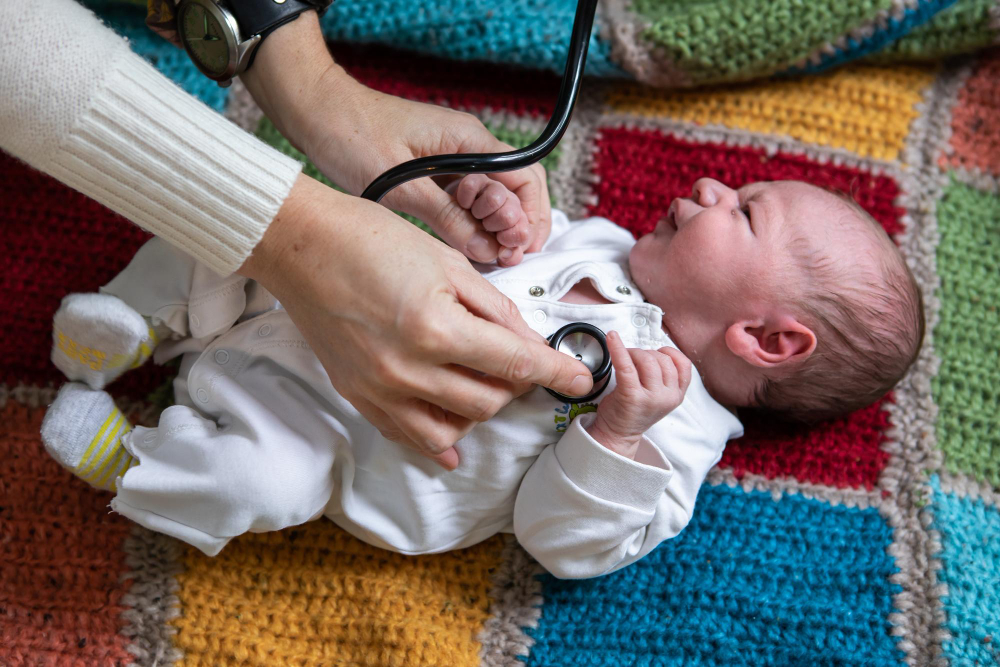
Experts like the CDC and WHO recommend regular child hearing screening. Most babies get a hearing test soon after birth. However, some children need more tests as they grow. Here are common times and reasons to test your child’s hearing:
Additionally, if your child has certain illnesses or takes medicines that can affect hearing, more tests may be needed. Always ask your doctor when to test your child’s hearing if you are unsure.
Types of Hearing Tests for Children
Children’s audiology clinics use different tests based on age and needs. Here are the main types:
Each test is gentle and designed to make children feel comfortable.
What to Expect During a Hearing Test
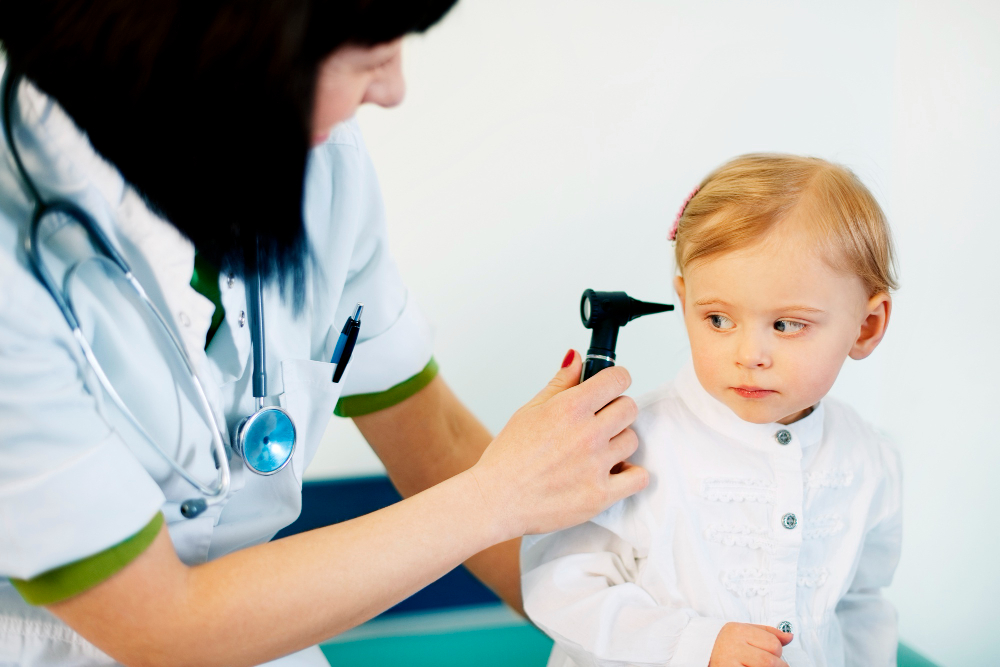
Before the test, the audiologist will explain what will happen. Most tests are quick and do not hurt. For babies, the test may be done while they sleep. For older children, the audiologist may use games or toys to make the test fun. Parents can stay with their child for comfort. After the test, the results are shared right away. If there are any concerns, the audiologist will discuss next steps.
Benefits of Early Detection
Early hearing detection helps children reach their full potential. When problems are found early, children can get help sooner. This support can improve speech, learning, and social skills. For example, children who get help early often do better in school and make friends more easily. Early action can also reduce stress for families. Because of this, regular hearing tests for children are very important.
Prevention and Parental Guidance
Parents can help protect their child’s hearing in many ways. Here are some tips:
If you notice any signs of pediatric hearing loss, do not wait. Instead, talk to your child’s doctor or visit a children’s audiology clinic in your area. Early help can make a big difference.
If you have concerns about your child’s hearing, consult a pediatric specialist Dr. Neeraj Shaha for personalized advice.