What Are Seizures in Children?
Seizures in children can be scary for any parent. A seizure happens when there is a sudden, uncontrolled burst of electrical activity in the brain. Because of this, a child may move, behave, or feel in unusual ways for a short time. Seizures in children are more common than many people think. According to the CDC, about 1 in 20 children will have a seizure before age 15. While most seizures are not life-threatening, knowing what to do if your child has a seizure is very important.
Common Symptoms and Signs of Seizures
Seizures can look different in each child. However, some signs are more common. Recognizing these signs can help you act quickly:
Sometimes, a child may just stop and stare for a few seconds. Other times, they may fall or shake all over. Because symptoms can vary, it is important to watch your child closely.
Immediate Steps Parents Should Take During a Seizure
If your child has a seizure, stay calm. Acting quickly and safely can help protect your child. Here are the first aid steps for child seizures:
After the seizure, your child may be confused or tired. Offer comfort and let them rest.
What Not to Do During a Seizure
Some actions can make things worse. Therefore, avoid these common mistakes:
Instead, focus on keeping your child safe and comfortable.
When to Seek Emergency Help
Most seizures in children stop on their own. However, you should call emergency services right away if:
Quick action can help prevent serious problems.
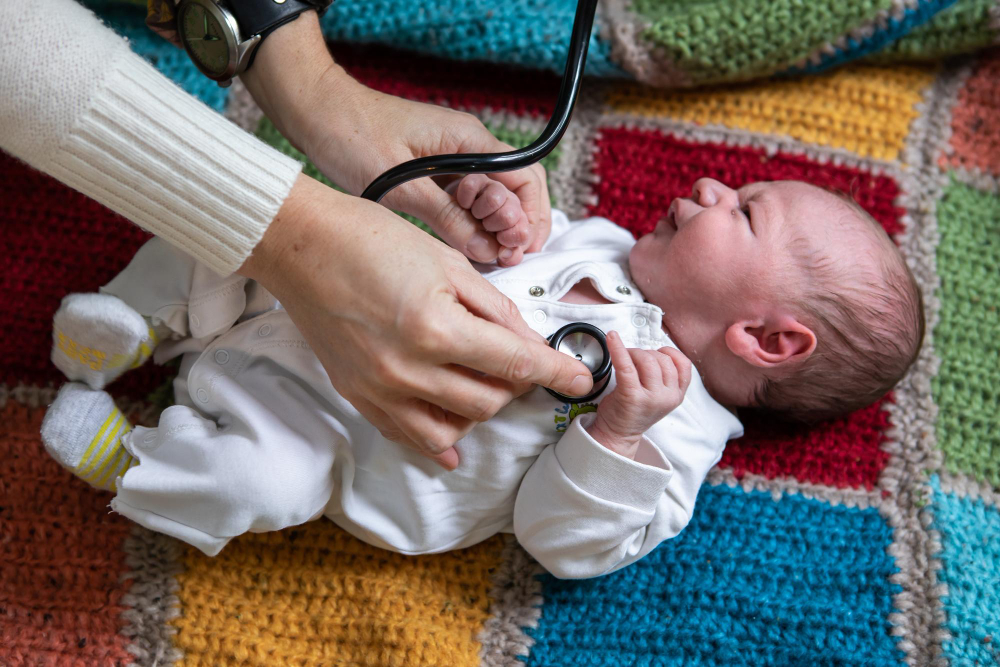
Diagnosis and What to Expect at the Doctor’s Office
After a seizure, your child’s doctor will ask about what happened. They may want to know how long the seizure lasted and what your child was doing before it started. Sometimes, the doctor may order tests, such as:
These tests help find out why the seizure happened. The doctor will explain the results and talk about next steps. In many cases, children do not need medicine after a single seizure.
Prevention Tips and Safety at Home
While not all seizures can be prevented, you can take steps to keep your child safe. For example:
Because triggers can vary, talk to your doctor about ways to lower your child’s risk.
Support and Resources for Parents
It is normal to feel worried if your child has a seizure. However, you are not alone. Many parents find support through:
Learning more about seizures in children can help you feel more confident and prepared.
Conclusion
Seizures in children can be frightening, but knowing what to do can make a big difference. Always stay calm, follow first aid steps, and seek help when needed. For personalized advice, consult Dr. Neeraj Shaha if your child experiences a seizure.